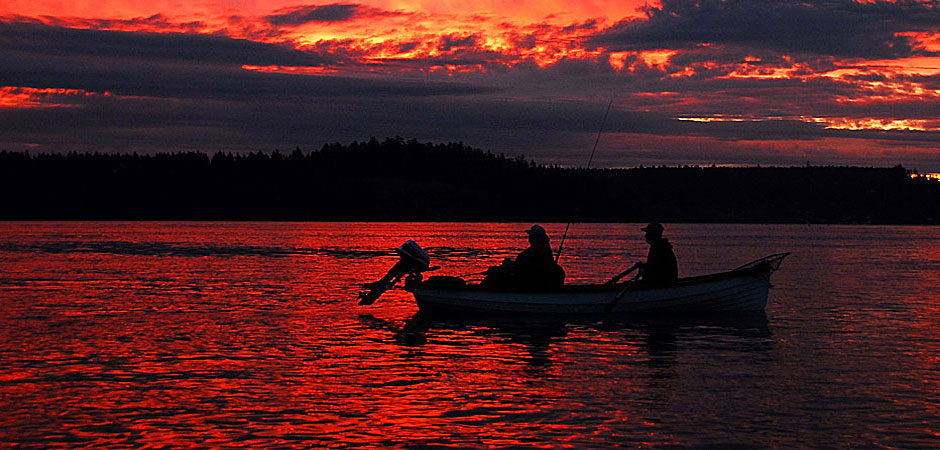

A plan is useful when an agreed person understands the route, return arrangements and what to do if contact is missed.
Use an authoritative starting point
Transport Canada describes a trip plan as a boating itinerary with a route and basic vessel details. Use its current guidance to understand the purpose and relevant information. Keep the plan appropriate to the actual outing and share it with the agreed responsible contact. A private draft that nobody else can access does not provide the same practical support.
Make changes visible
Agree how the shore contact will be told about an altered route, timing or return arrangement. Ensure the contact can interpret the information and knows the agreed action if the plan is overdue. Do not hide a significant change in a group chat where everyone assumes someone else has responded. Use suitable communication arrangements for the location rather than assuming a phone will work everywhere.
Close the loop
Confirm completion with the person holding the plan. Include the return communication in your actual end-of-day routine instead of leaving it until after unpacking or travelling elsewhere. Review any point where the plan was unclear. A usable process can be simple, but it needs a named recipient and an explicit understanding of responsibility. General online guidance does not replace the skipper’s broader preparation.
Your practical checklist
- Agree who holds and understands the plan.
- Use appropriate route and vessel information.
- Communicate meaningful changes explicitly.
- Confirm completion promptly.
The next useful decision
Prepare the communication process as well as the document. A plan nobody has accepted responsibility for is incomplete.
Sources & further reading
Primary references for the principles and context discussed here. Use current official guidance and appropriate local assessment for your actual outing.
Published 30 October 2026 · Archers Fishing Editorial. Prepared with AI assistance. Examples are hypothetical. Read our editorial policy or report a correction.